
Museums in a Fractured World: Reflections on 2026 IMD Symposium Singapore
What is the role of the museum in a world that seems to be spiraling further and further into chaos? From the intractable conflicts in Gaza and Ukraine to unsettling ripples of regional unrest closer to our home, Singapore – division has become rife worldwide. It is a question that feels less an academic inquiry, and more a case for the museum’s relevance.
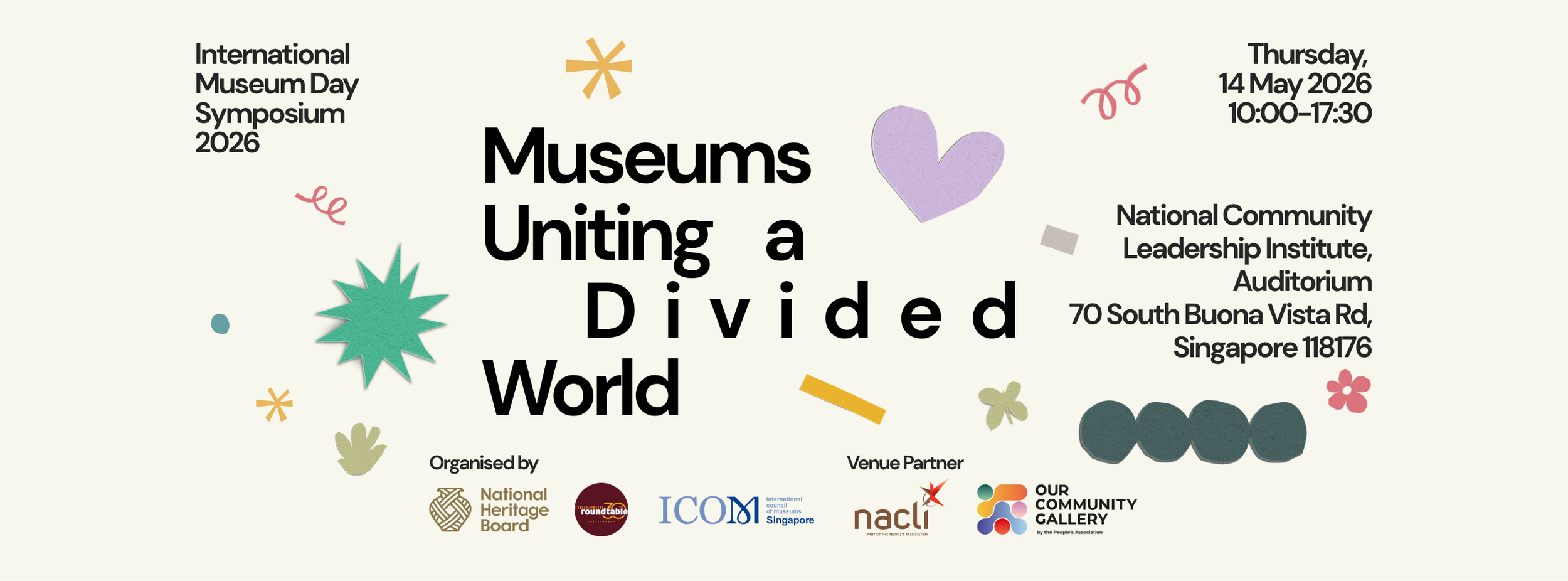
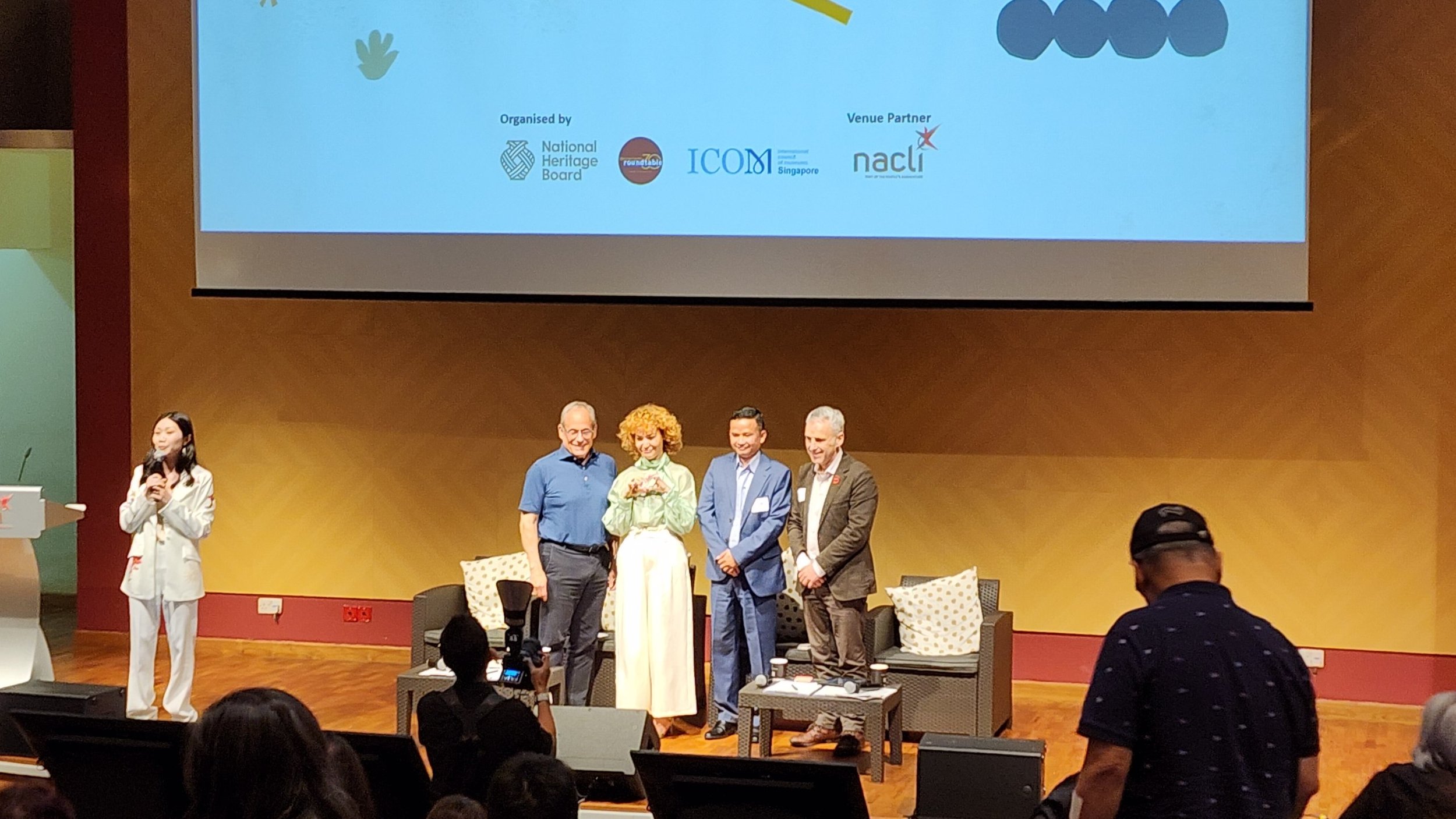
2026 International Museum Day (IMD) Symposium.
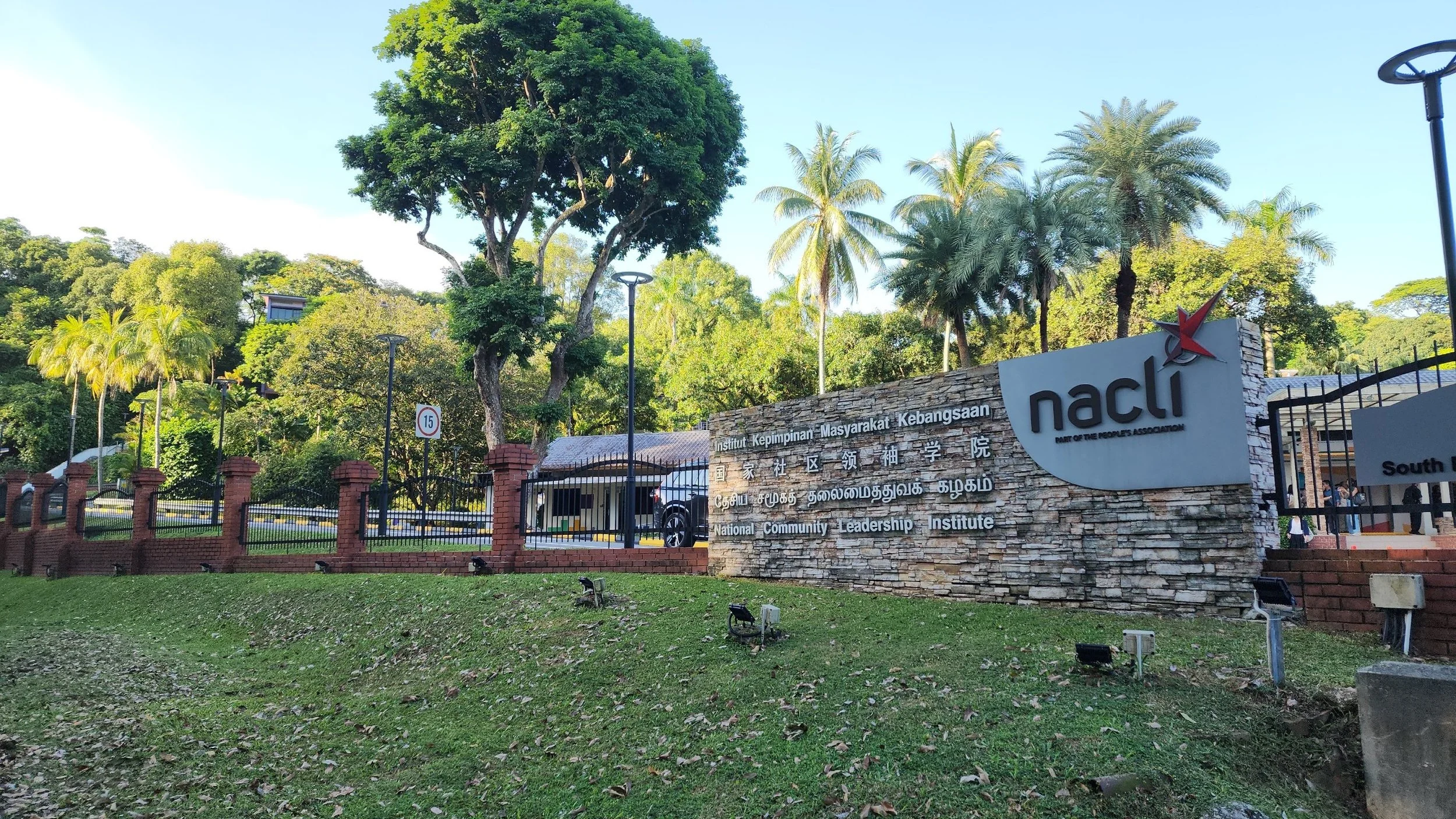
The symposium was held at the National Community Leadership Institute.
On 14 May 2026, the International Museum Day (IMD) Symposium was held at the National Community Leadership Institute under the theme of ‘Museums Uniting a Divided World’. Organised by the National Heritage Board (NHB), the Museum Roundtable (MR) and International Council of Museums (ICOM) Singapore, the symposium attempted to reclaim the museum as a vital social space amidst global chaos.
Brought together were striking examples of the museum as an essential form of human expression, a space designed to help us synthesise the messiness of life into narratives we can understand. While no single-day symposium could capture the entirety of the human experience, the event thoughtfully distinguished the theme into the three dimensions of ‘Love’, ‘Conflict’, and ‘Unity’. It considered the ways museums are uniquely equipped today to cultivate a diplomatic form of empathy, in a world that has largely forgotten how to listen.
The symposium was formatted in a series of curated presentations followed by open Q&A sessions. Here are some inspiring takeaways and discussions from the symposium:
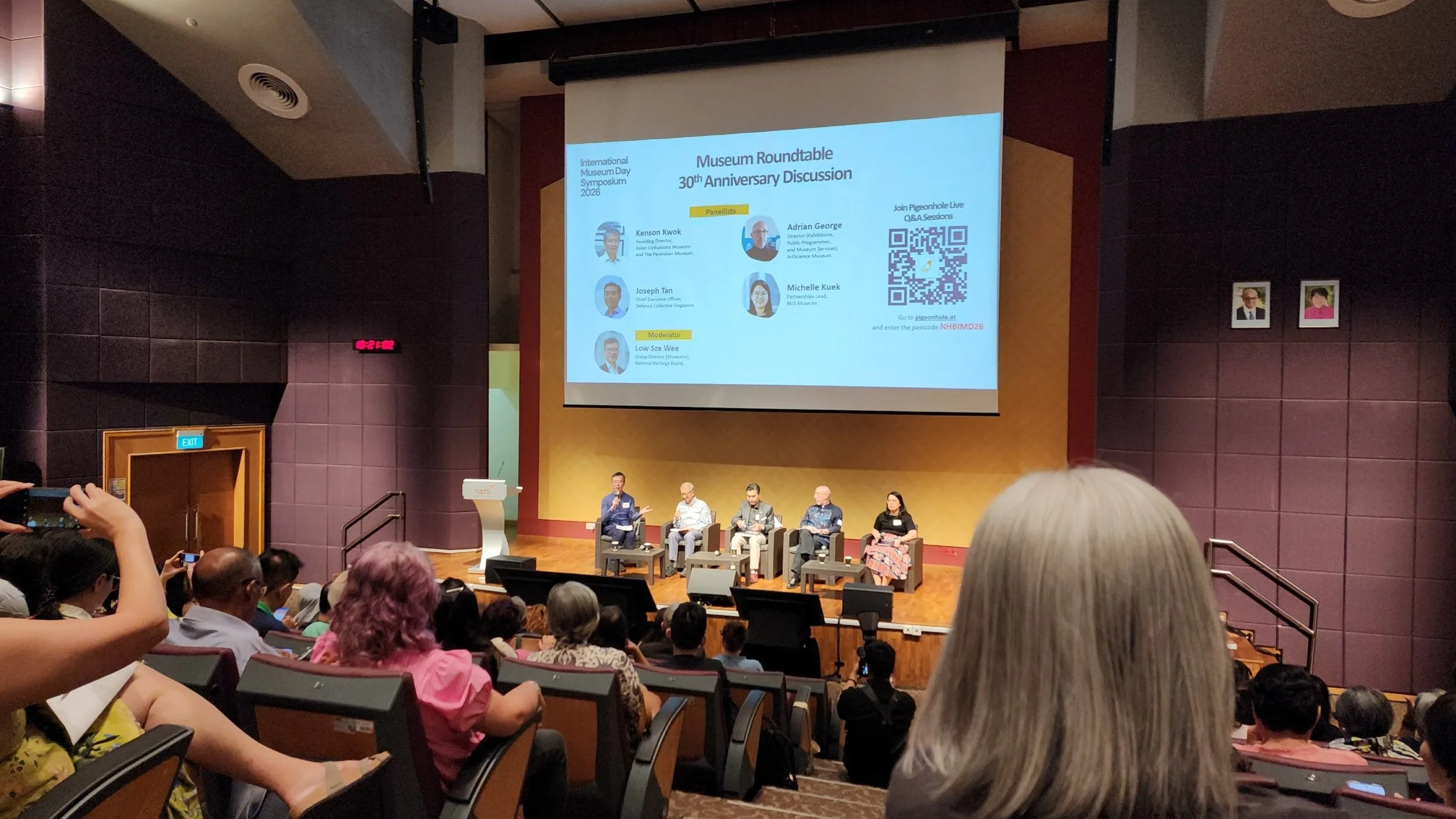
Museum Roundtable 30th Anniversary Discussion
Before the panels, a discussion was held to commemorate the MR’s 30th Anniversary and the 80th Anniversary of the ICOM. The Museum Roundtable (MR) is a collective of over 60 local museums and galleries that promotes collaboration and a vibrant museum-going culture in Singapore. The International Council of Museums (ICOM) is the leading global organisation for museum professionals, a vital network for expertise and best practices in heritage.
Discussants reflected on the museum sector’s evolution in its professionalism, audience engagement and technological advancements. Ideas were discussed about the relevance of museums, including the need for impactful storytelling, collaboration in curation and global network, while also advising a cautious and human-centered approach to digital transformation especially regarding AI.
Panel 1: Love
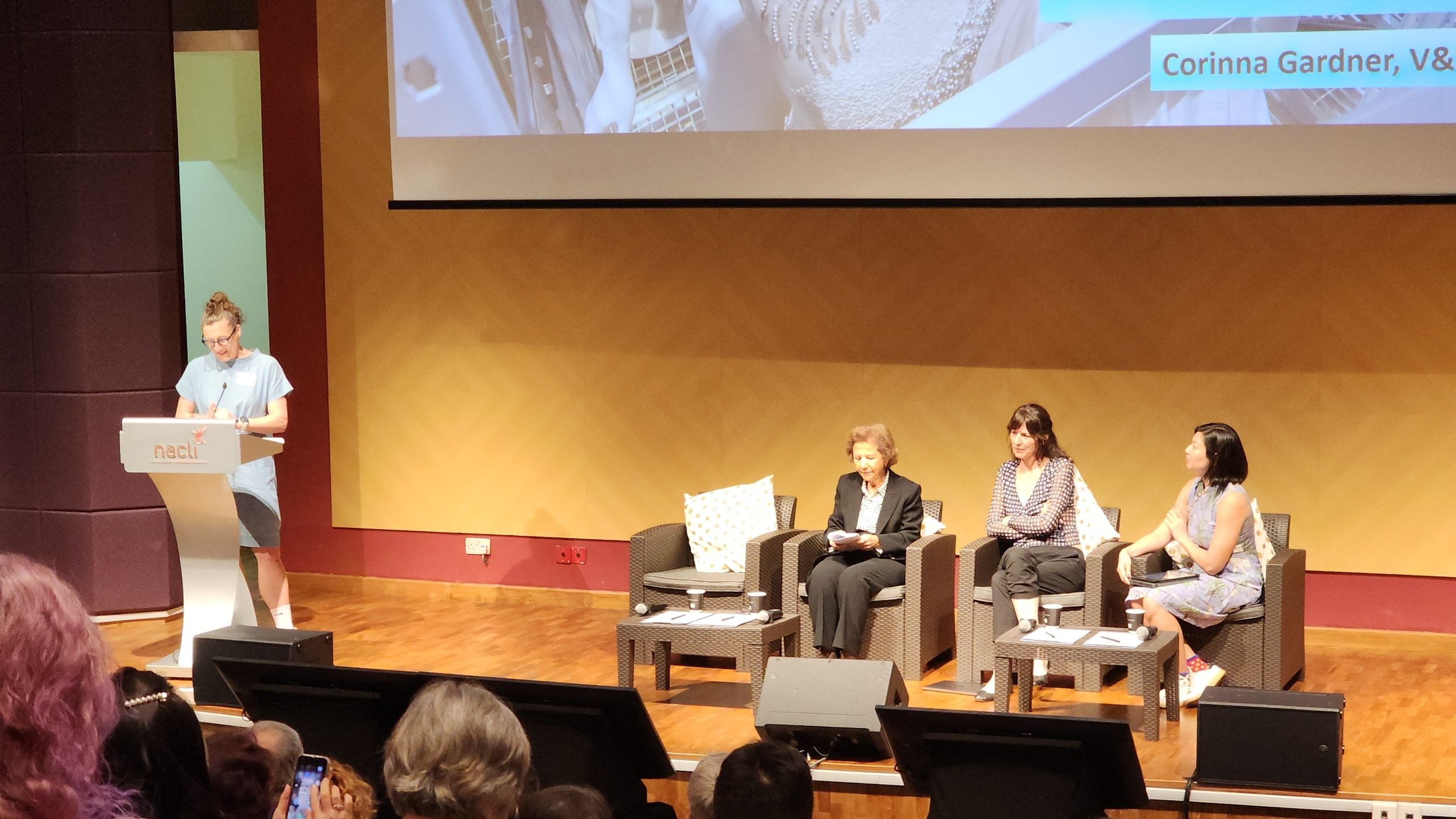
“[Love] has demonstrated its power to unite, destroy, inspire, and define human experience across millennia.”
— 2026 IMD Symposium programme guide
The human experience of love is never to be underestimated. It has been a driving force throughout human history, shaping our cultures, societal evolution and individual personal identities for millenia. Because museums curate the stories and artifacts born from this deep emotion, they serve a vital role. They become the guardians of this fundamental human connection that continues to create and drive modern civilisations even today. Panel 1 on ‘Love’ explored how museums engaged with the theme of love, and how it shapes their collections, exhibitions and visitor experiences.
Speakers:
Olinka Vistica (Founder and Director, Museum of Broken Relationships)
Corinna Gardner (Senior Curator, Victoria and Albert Museum)
Salwa El-Shawan Castelo-Branco (Professor (Ethnomusicology) at New University of Lisbon)
Moderator:
Selina Chong (Assistant Director (Museums Planning), National Heritage Board)
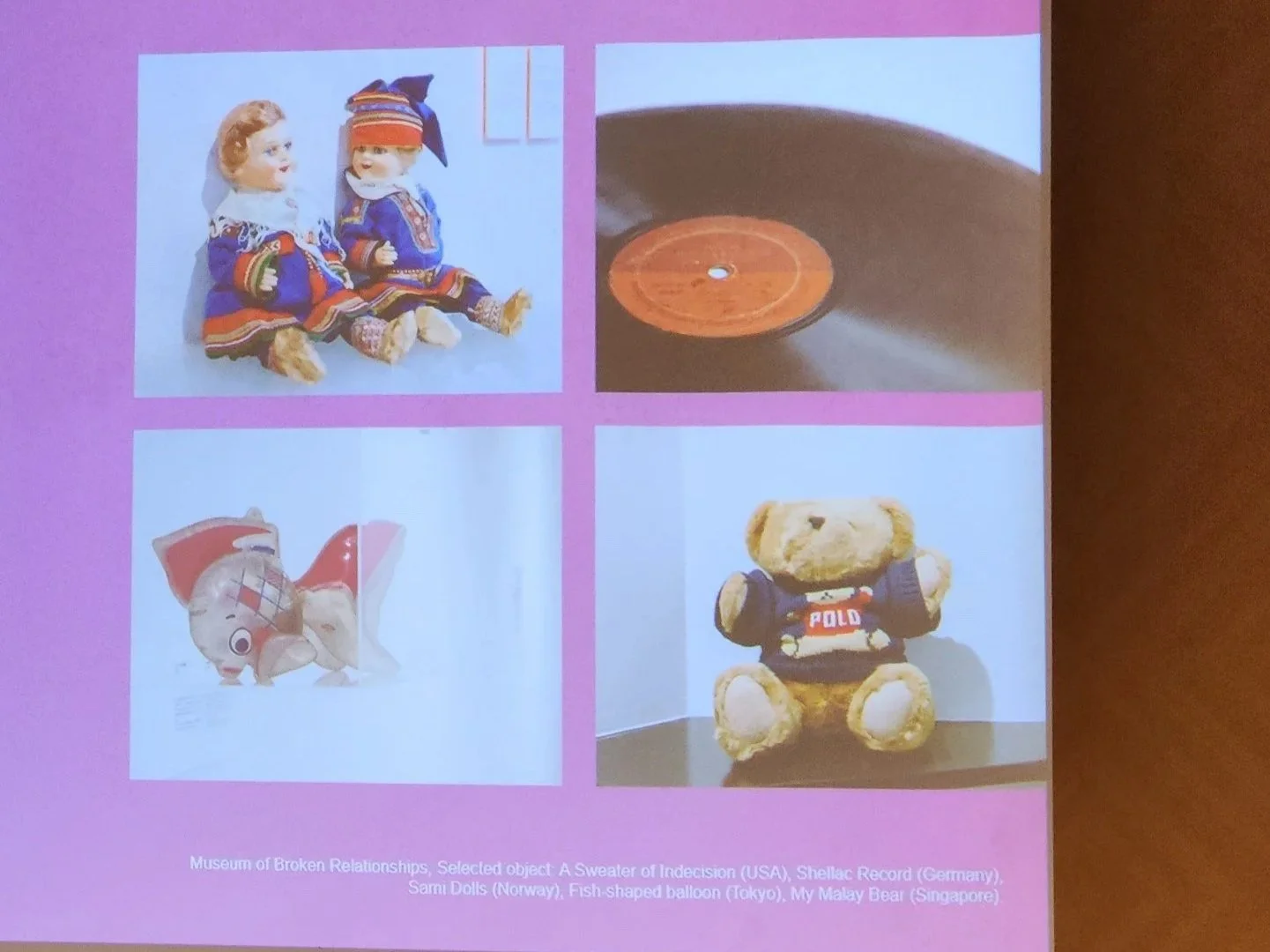
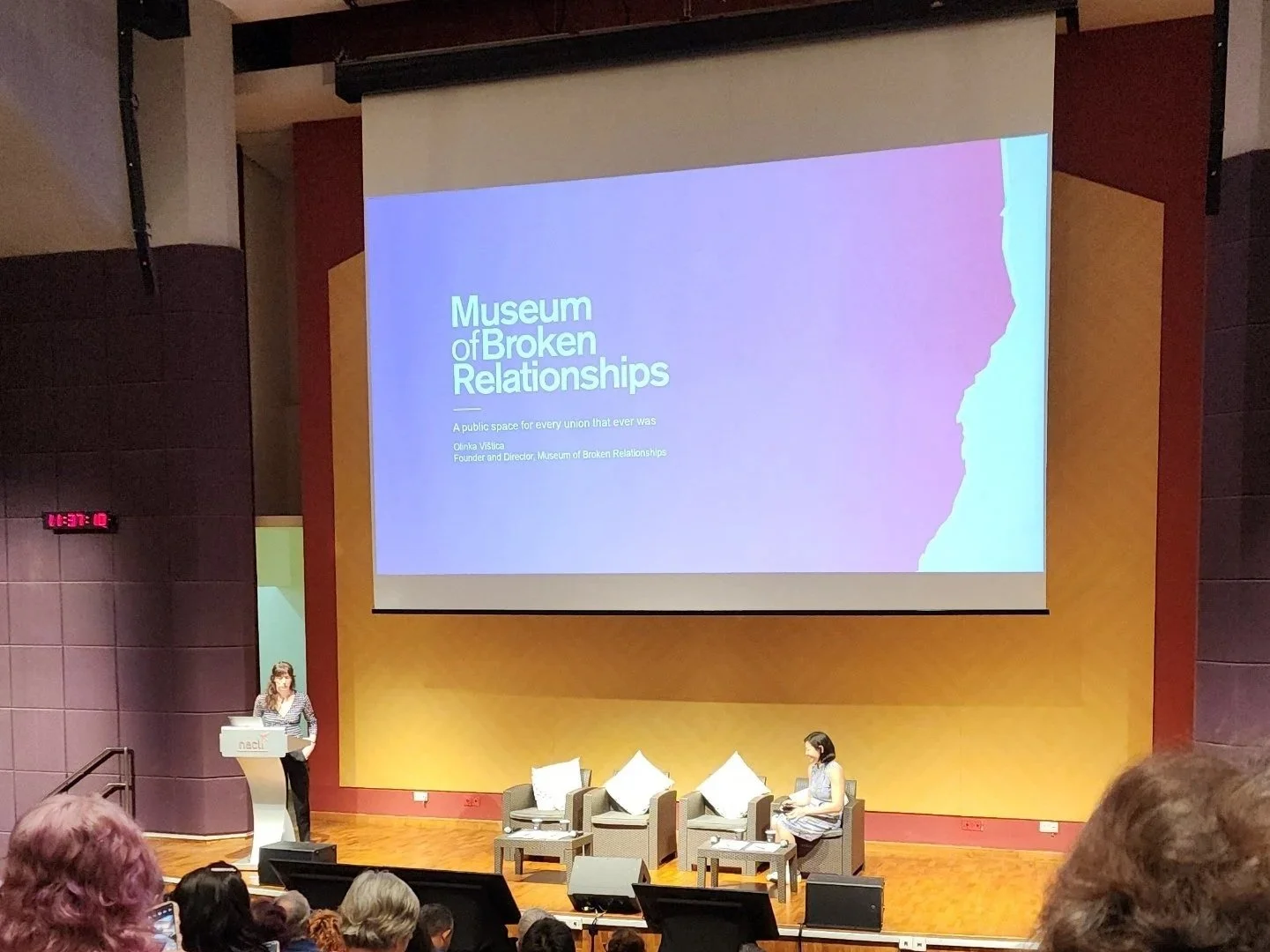
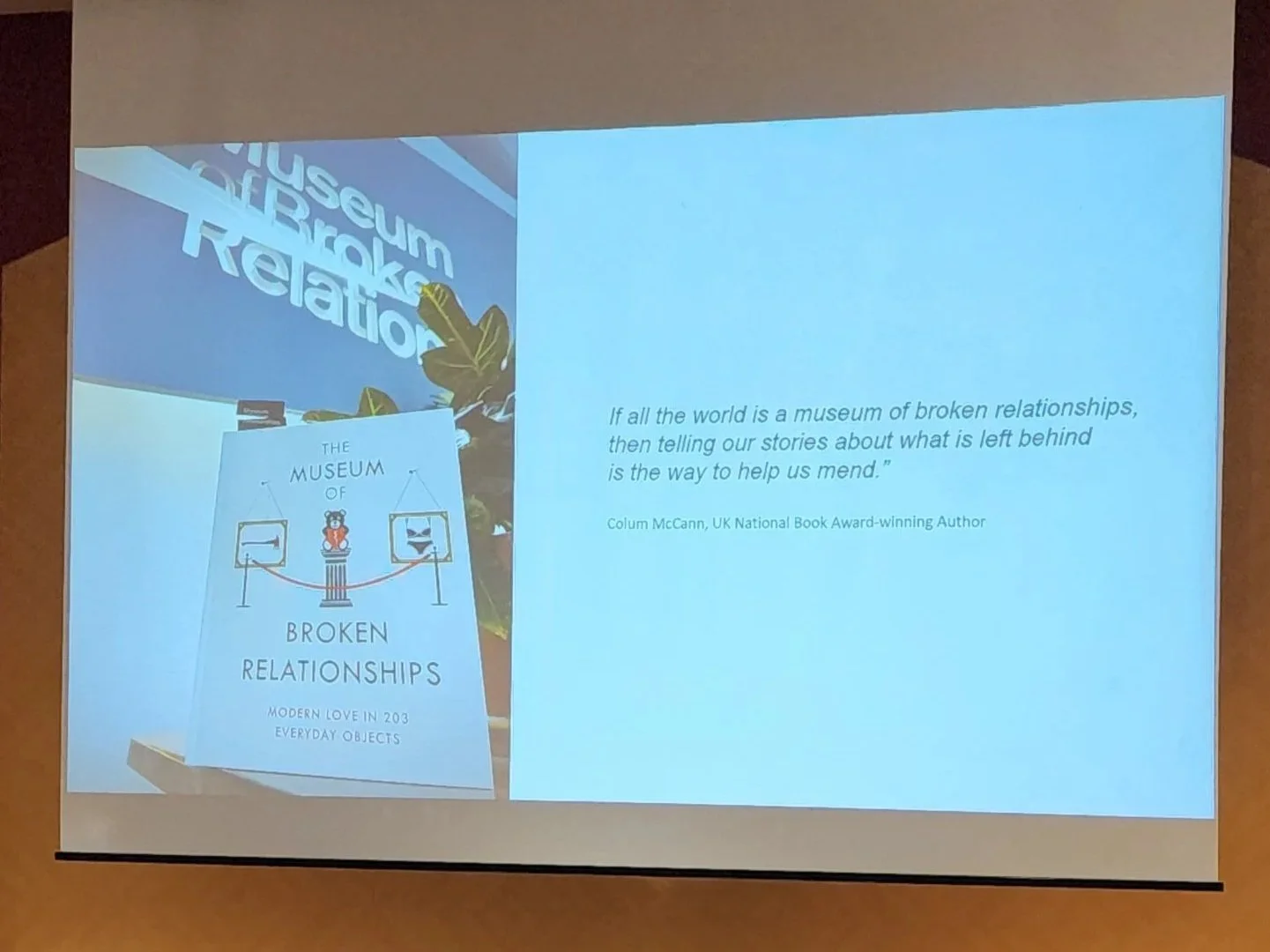
Here are the key takeaways from the first panel:
The diverse experience of a museum space. The museum exhibition has ability to manifest a vast range of experiences. Much like funerals for death, objects displayed with the stories of their former owners in the Museum of Broken Relationships act as a form of catharsis and "closure" for complex experiences—like the demise of a relationship—which society often lacks dedicated rituals for. Meanwhile, the Fado Museum in Lisbon integrates Fado music and sound into the atmosphere of its exhibitions, providing an interesting example of how to display heritage that is experienced through sound, emotions and atmosphere.
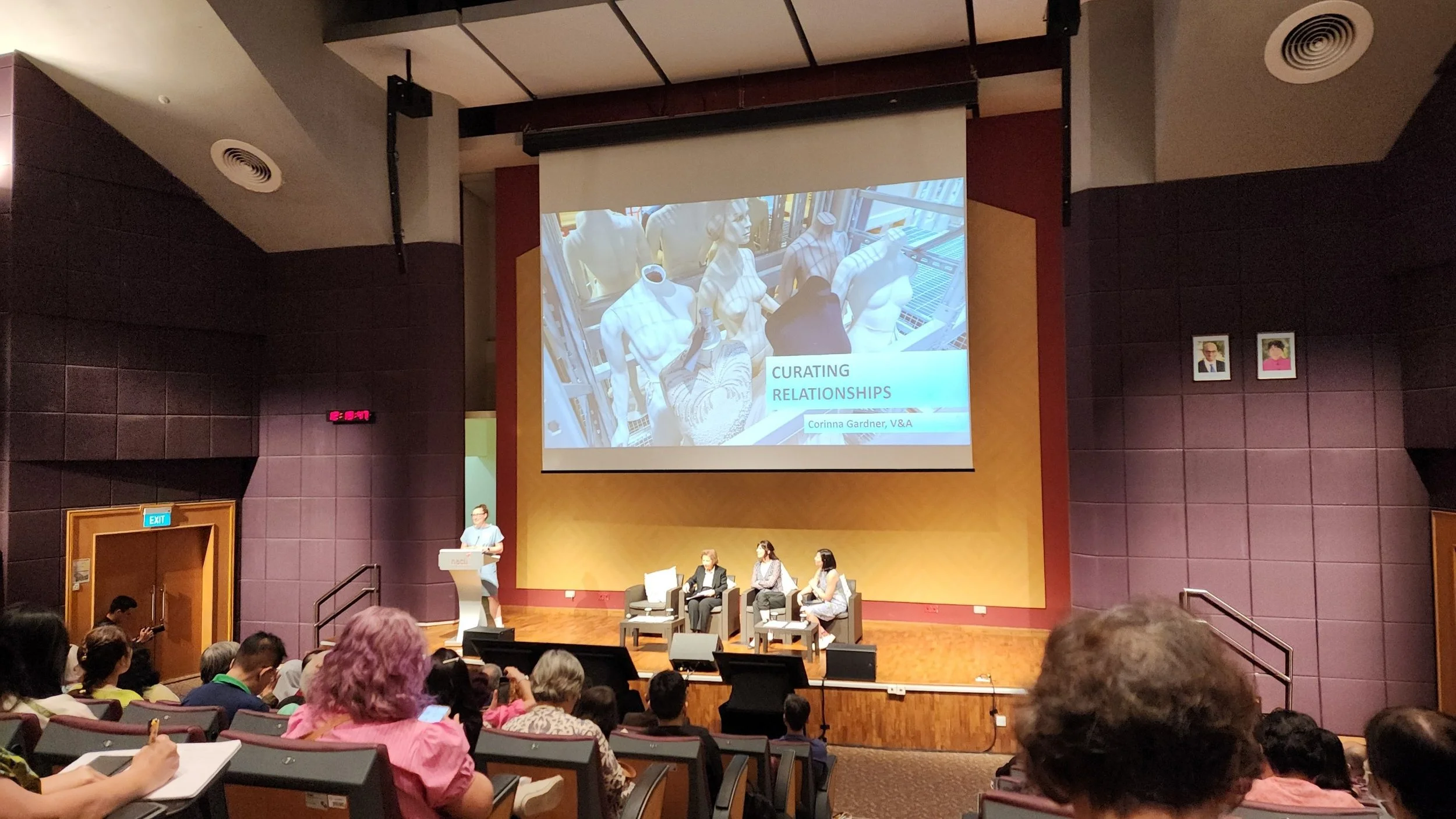
Curators as “cultural listeners”. A decisive point about the important role curators play in culture and interaction was brought up by Corinna Gardner, Senior Curator at V&A. Curators’ have the role of a ‘cultural listener’ – they curate relationships, as much as they curate the objects themselves. Active listening, and an intentional focus on the human connections that bring objects to life is an important requirement of being a curator.
An interesting consideration that was brought to mind– how to spark the connection between the museum viewer and the objects they view? In the Museum of Broken Relationships, the personal story is what draws focus, the objects acting as ‘proof’. By establishing a relationship with the object, visitors form a connection with the person behind it, even if they are not physically present, and can inspire personal reflection. It is just as Joseph Tan (Defence Collective) mentioned in the previous panel, having a good collection is important, but it is even more paramount to have a good narrative driving it.
Panel 2: Conflict
“As institutions that preserve stories and document histories, museums play an important role in presenting lessons learnt from these struggles, and the human spirit and resolve that endured these travesties.”
— 2026 IMD Symposium programme guide
With conflict and war comes inevitably violence, loss and grief— therefore the second panel of this symposium on “Conflict” was perhaps the most compelling and urgent theme of the symposium. It prompted reflection on our global reality, where a single decision to incite violence halfway across the globe can create ripple effects felt closely in our everyday lives. Pervasive forces throughout time have driven upheaval and reshaped the socio-economic fabric of nations, their conflicts leaving lasting scars. Because museums are tasked with preserving history, they too play a vital role in documenting these struggles— not just to record and acknowledge traumatic events, but to highlight the human spirit and resolve that endure such travesties.
The second panel focusing on the theme of ‘Conflict’ challenged both museum professionals and the public to confront these difficult memories. Through careful curation and well-researched engagement, museums can help society move beyond simply documenting wars to actively processing the pain of the past.
Speakers:
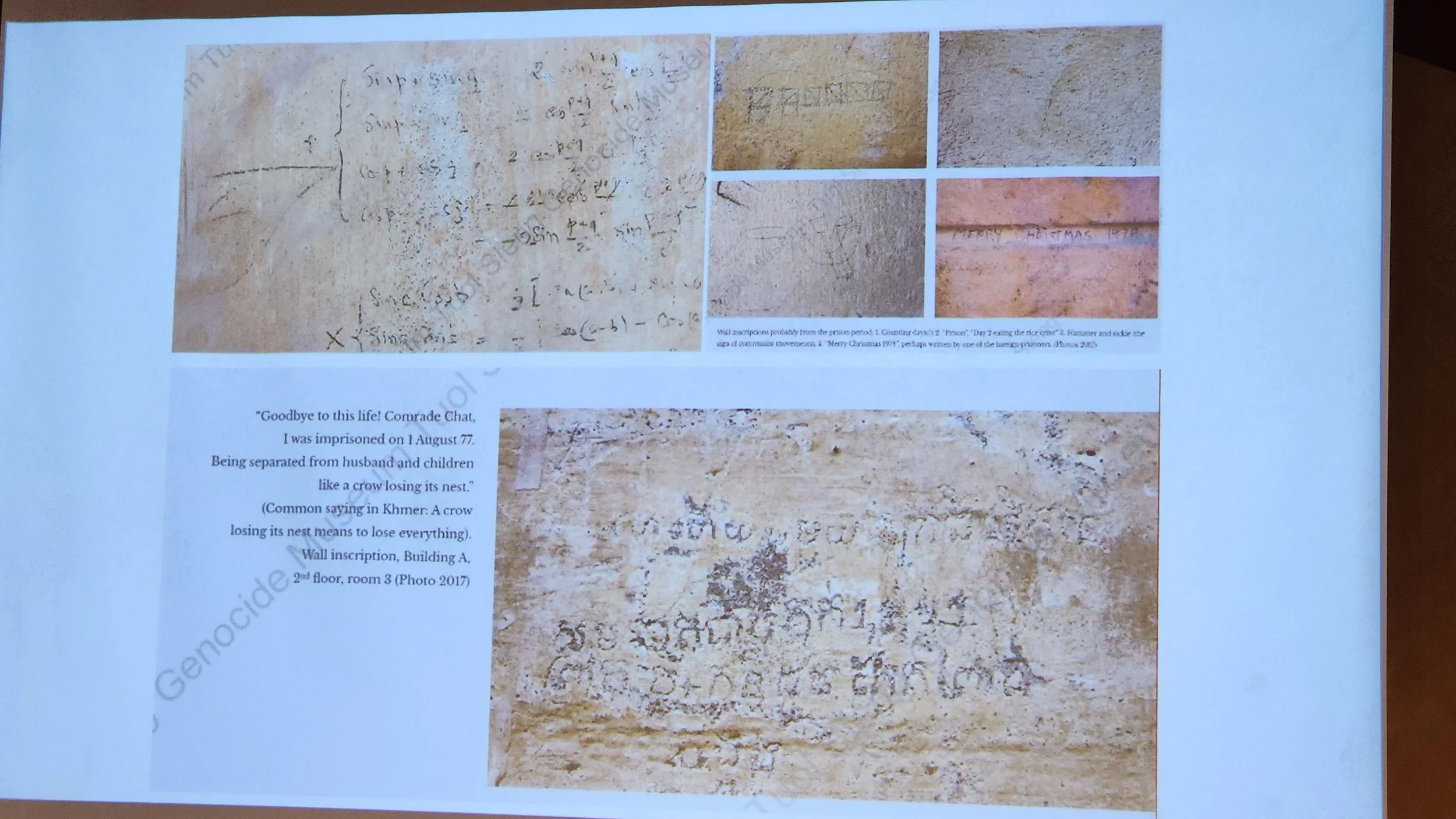
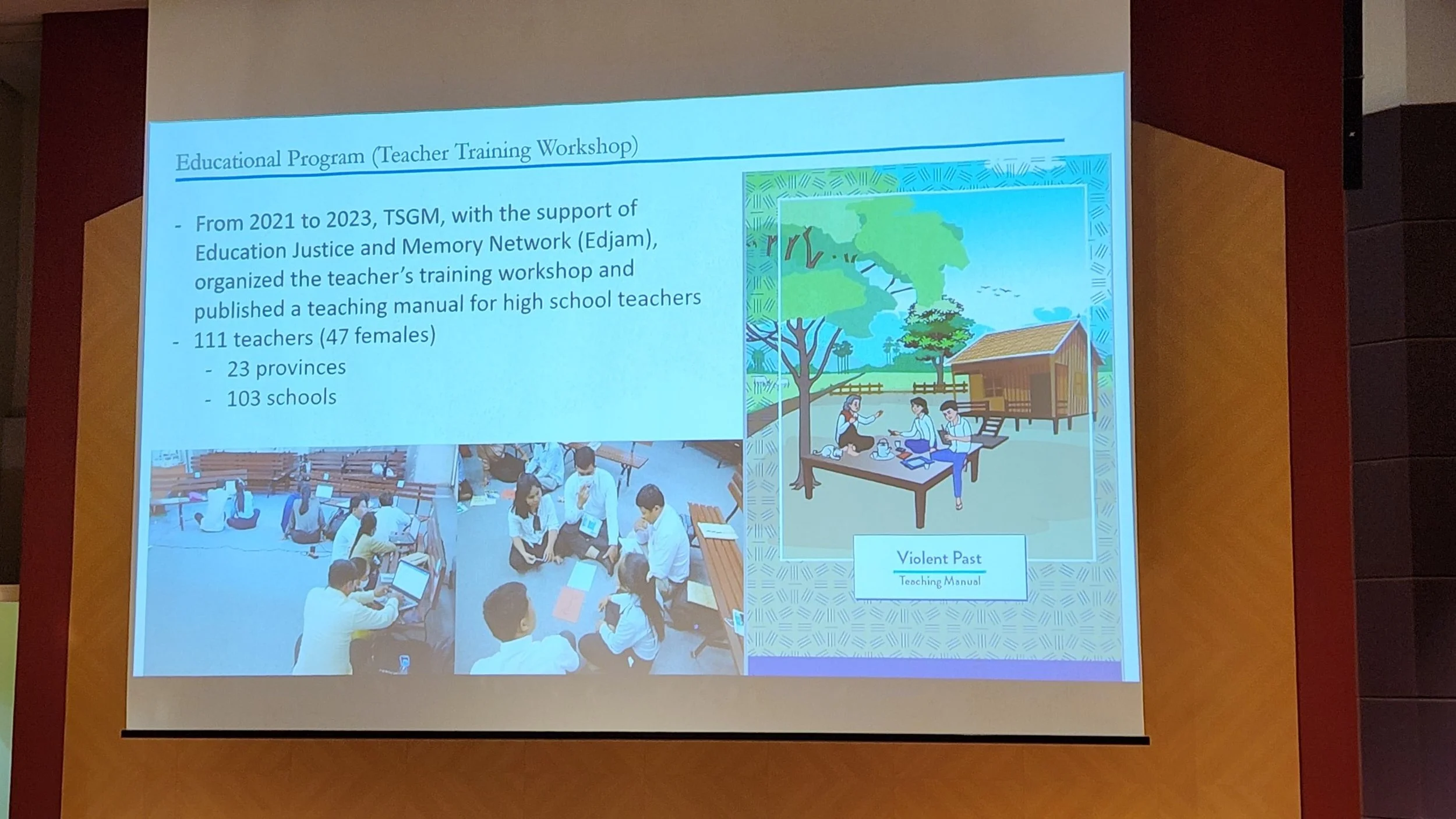
Hang Nisay (Director, Tuol Sleng Genocide Museum)
Dorina Xheraj-Subashi (Lecturer and Researcher in Museology, University Aleksander Moisiu ICOM Albania)
Clifford Chanin (Executive Vice President and Director, The 9/11 Memorial & Museum)
Moderator:
Brett Marshall (Director, Air Force Museum of New Zealand)
Here are the key takeaways from this second panel:
The weight of a place. Institutions like the 9/11 Memorial and Tuol Sleng Genocide Museum illustrate the power of "authenticity of place”, as so succinctly put by 9/11 Memorial museum director Clifford Chanin. When museums are built on the site of a tragedy, it becomes a space of pilgrimage that demands we bear witness to history rather than merely observe it.
Museums anchor truth. In an era where misinformation thrives more fiercely than ever, museums have and must act as rigorous fact-checkers. When addressing divisive topics, carefully researched alternatives to rumours and lies prevent history from being rewritten for political or vengeful ends. Furthermore, museums can serve as critical archives for the legal process, such as in the case of the Tuol Sleng Genocide Museum, whose preservation of physical evidence of atrocities and and digitsation of 70,000 papers has aided in international tribunals regarding the brutal Khmer Rouge.
Finally, reconciliation, never revenge. The ultimate goal of exhibiting conflict is not to reopen wounds or foster resentment, but to create a shared space for healing and dialogue. It is the focus on empathy—on helping visitors see themselves in the stories of the victims, through which museums can act as a bridge toward reconciliation even in deeply fractured societies.
An interesting question was brought up: As witnesses to these conflicts pass away with time, how do museums protect the knowledge of these atrocities? This is compelling for Singapore, with the atrocities and indignities committed during the Second World War, as well as in other moments of its turbulent history and colonial past. As the older generation who experienced colonial rule and suffered through the World War only increase in age, how can we preserve their memory of suffering for future generations, and to what end?
Panel 3: Unity
“We are all equal in the fact that we are all different. We are all the same in the fact that we will never be the same. We are united by the reality that all colours and all cultures are distinct & individual.
― C. JoyBell C
The museum today has come a long way from its inception. Once exclusive, solemn rooms of silent objects and hushed whispers, many have now transformed into vibrantly interactive and inclusive spaces for shared heritage, dialogue and collaborative storytelling. The museum space offers chances to break down barriers and build community. This panel discussing ‘Unity’ brought together institutions and researchers to share how they have worked towards empowering their communities to find common ground and a shared sense of purpose, while embracing the diversity that encompasses humanity.
Speakers:
Nor Jawahir Binti Raduian (Curator, ICOM Malaysia & Department of Museums Malaysia)
farid rakun (Writer, Editor, Lecturer, and Artist, ruangrupa and Gudskul Indonesia)
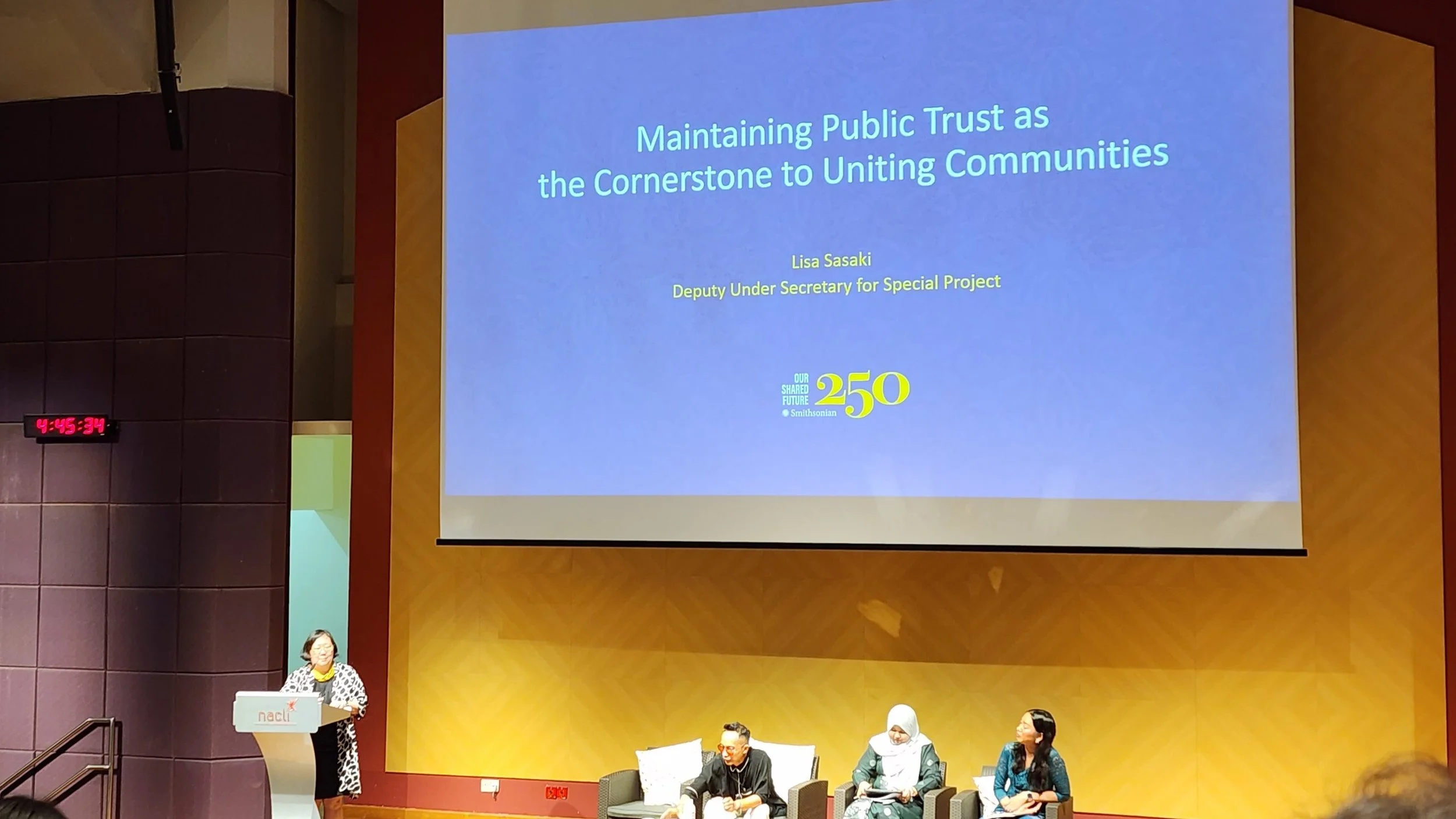
Lisa Sasaki (Deputy Under Secretary for Special Projects, Smithsonian Institution)
Moderator:
Liyana Nasyita (Manager (Programmes), Malay Heritage Centre, National Heritage Board)
Here are the key takeaways from the third panel:
Unity is not uniformity. As mentioned by Lisa Sasaki from the Smithsonian Institution, it is easier to define what unity is not, for true unity does not mean everyone agrees or ‘parrots’ the same narrative. Rather, unity is the realisation that we are connected in just as many ways as we are different. It is about addressing that sense of shared belonging and common ground that can be discovered even within a fractured and messy society. This is also why we must never shy away from sharing the past, for sharing the past is a strength. Navigating these challenges is particularly difficult for museums embroiled in cultural wars however, such as the U.S. Smithsonian Institution, which must consider how to balance empirical truth with perceived ideology, and resist external pressures to self-censor.
An interesting point brought up was with regards to the neutrality of museums. Are museums neutral spaces? Can museums be trusted? It is true that museums and their exhibitions will inevitably reflect the inherent prejudices of the societies from which they emerge. However, acknowledging this is the first step toward honest and transparent engagement. Different audiences will interpret the same objects and exhibitions through conflicting ideological lenses, but this commitment to transparency will help with navigating division. Whether an institution is candid about the contested provenance of its artifacts or open regarding its own political stakes, such accountability is the only way to build the partnerships required for a more resilient heritage sector.
Therefore, this also highlights another wonderful potential of museums: they are equipped to break people out of their ‘echo-chambers’. They allow for the tackling of difficult, complex, and human-centric topics, much like those considered in this symposium – of love, conflict, and diversity. They provide a space for dialogue and the kindling of mutual understanding.
Concluding Reflections
Life is rarely neat.
It is complicated, messy, and often frustrating—it is an ecosystem of conflicting perspectives and stories.
But that is also what makes it beautiful. Museums should mirror this complexity rather than smooth it over, or attempt to package it into neat narratives. As farid rakun from ruangrupa remarked, we, as humanity, are like a family. We may not always like everyone and everything about our family, but we must learn to live together. IMD’s 2026 Symposium in Singapore reflects upon how the museum is one of the few places that can bring us together to face that messiness and practice that coexistence.
This is especially so in multicultural Singapore, where diversity is a lived experience for its over six million inhabitants. In order to maintain a lasting harmony, we can never overlook museums as indispensable platforms, for they are places where we don't just look back at the past, but learn how to live better with each other, despite our differences.