
A cassette tape is a an analog magnetic tape recording format for audio recording and playback.
Today is World Digital Preservation Day, an annual event dedicated to raising awareness of the importance of safeguarding our digital heritage for future generations. Organised by the Digital Preservation Coalition (DPC) and supported by networks worldwide, the day is marked annually on the first Thursday of November. It celebrates the people and work that keep our digital heritage accessible. This year's theme, ‘Save Our Stories (SOS): Our Digital Heritage in Danger’, draws attention to the need to protect digital records from loss, deterioration and technological obsolescence.
Our records, research, memories and culture increasingly take digital form. Keeping them accessible takes ongoing care.
Our work behind the scenes
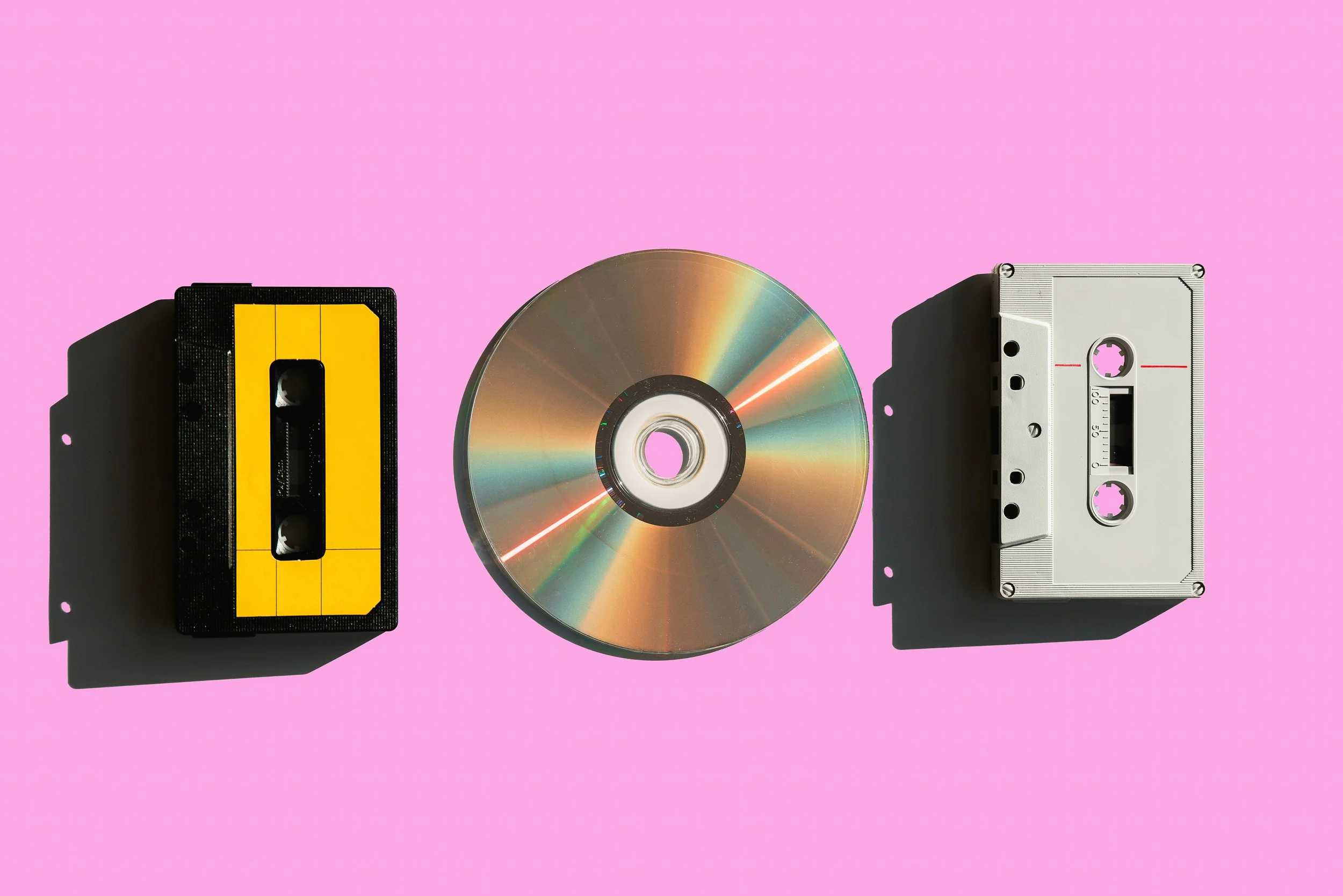
Audio cassettes and a CD.
As part of a recent major heritage project in Hong Kong, we worked together with specialist digitisation vendors, including Capture Ltd, to recover historic films and photographs from the 1980s and 1990s which were stored on obsolete media including VHS tapes, Betamax cassettes and CDs. These once-revolutionary technologies are now presenting considerable challenges for archivists:
VHS (Video Home System)
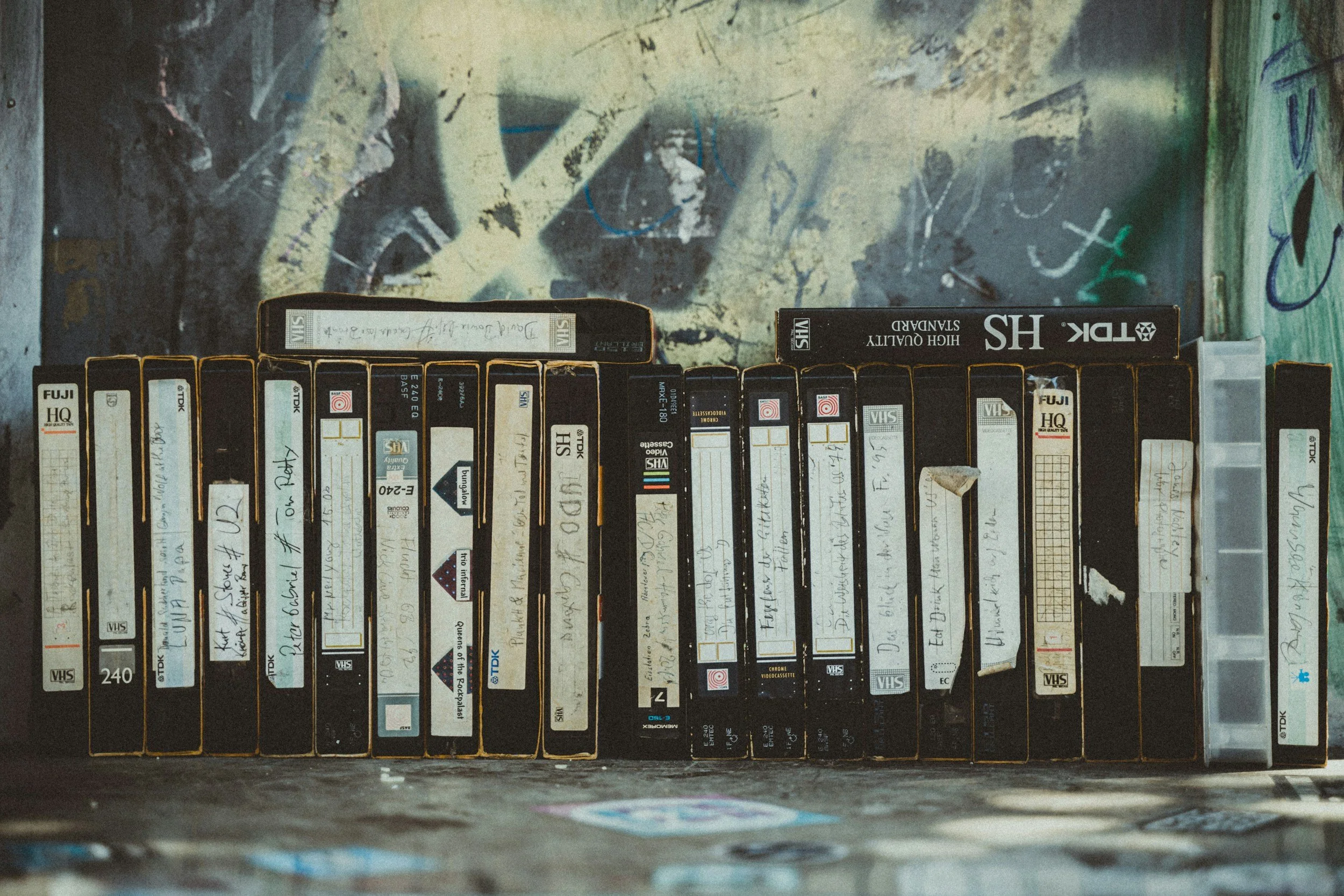
VHS tapes. Courtesy of Daniel vonn Appen.
VHS became the dominant home video format of the 1980s and 1990s. Today, its magnetic tapes are vulnerable to deterioration, while working video recorders and the expertise to maintain them are increasingly scarce.
Betamax
Betamax. Courtesy of Wikipedia.
Launched in Japan in 1975, Betamax famously lost the ‘videotape format war’ to VHS despite its reputation for picture quality. Although it enjoyed popularity in the late 1970s and 1980s, finding functioning Betamax equipment today can be difficult.
Compact Discs (CDs)

A CD (and floppy disks).
The ‘digital optical disc data storage’ format was first commercially introduced in Japan in 1982. By the 1990s and 2000s, recordable CDs had become a popular way to store photographs, documents and other files. The CD is regarded as the dominant format of the ‘album era’. However, scratches and degradation of recording layers can make recovering their contents a challenge.
What makes these tangible formats particularly challenging is that transferring their contents is not always straightforward, and depends on access to the right equipment. In addition, ageing magnetic tapes may require careful assessment for mould, while CDs can develop read errors or contain files dependent on outdated software. Through our work with specialist partners, we helped digitise valuable audiovisual heritage which could no longer be accessed - so that they can be better preserved, organised and shared.
The importance of digital preservation

The Digital Preservation Coalition logo.
Audiovisual heritage from the twentieth century faces several threats: the physical deterioration of storage media, the obsolescence of hardware and software, and a loss of specialist technical expertise. For businesses, institutions and families, these ageing formats may contain irreplaceable records of people, places and events.
Digitisation of obsolete media is an essential first step, but it is not the end of the preservation journey. Once recovered, digital files require careful organisation, appropriate preservation formats, secure storage, backups and ongoing management to ensure they remain accessible as technology evolves.
World Digital Preservation Day is therefore a timely reminder that care and attention, and sometimes urgent action, is needed to preserve these precious records.
Find out more about World Digital Preservation Day and this year's campaign at the Digital Preservation Coalition.